Meta Keywords in 2026: FAQ and Myth-Busting for Effective SEO
Are meta keywords still relevant in 2026? Discover the myths and truths behind meta keywords and enhance your SEO strategy with our insights.

Understanding Meta Keywords: A Brief History
In the early days of SEO, the meta keywords tag was a crucial tool for webmasters. It was a simple HTML tag that allowed site owners to declare the main topics of their web pages. This tag looked something like this:
```html
<meta name="keywords" content="SEO, meta tags, search optimization">
```
These keywords aimed to signal to search engines what the page was about. However, as search engines advanced, so did their algorithms, leading to significant changes in how they evaluate web pages.
Why Meta Keywords Fell Out of Favor
The decline of the meta keywords tag began in earnest when search engines, particularly Google, recognized that this tag was being abused. Keyword stuffing became rampant, where webmasters would load the tag with excessive keywords in hopes of manipulating rankings. In 2009, Google officially stopped using meta keywords as a ranking factor, rendering it obsolete. Other search engines, like Bing and Baidu, followed suit.
Today, modern SEO prioritizes content quality, semantic relevance, and user intent over outdated metadata. Search engines now analyze the actual content of the page, taking into account factors such as:
- User experience
- Content depth and relevance
- Semantic context
This evolution in ranking algorithms means that focusing on meta keywords is a waste of time and resources for SEO in 2026.

Common Myths About Meta Keywords
With the history of meta keywords in mind, let’s tackle some common myths surrounding this topic.
Myth 1: Meta Keywords Help Improve Rankings
Fact: As mentioned earlier, meta keywords do not influence search rankings. Search engines ignore this tag entirely. Instead, it's essential to invest your efforts in creating high-quality, relevant content that meets user needs.
Myth 2: Leaving Meta Keywords in HTML Is Beneficial
Fact: While leaving meta keywords in your HTML won’t harm your site, it also won’t help. Focus on optimizing your content and using meta descriptions and title tags effectively, as they play a more significant role in SEO.
Myth 3: Meta Descriptions Are the Same as Meta Keywords
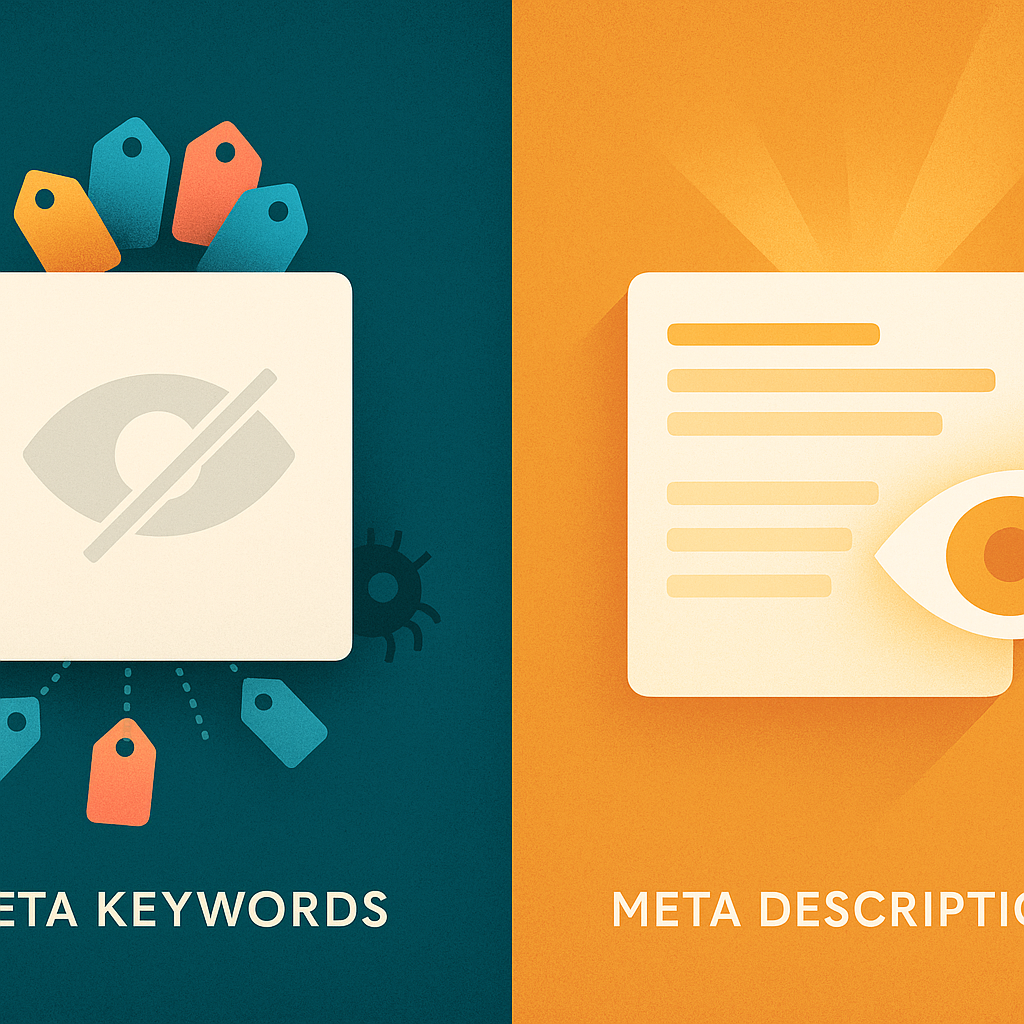
Fact: Meta descriptions and meta keywords serve entirely different purposes. Meta descriptions provide a summary of your page content and can influence click-through rates, whereas meta keywords are not visible in search results and do not affect visibility or rankings.
What Should You Focus on Instead?
In 2026, the SEO landscape demands attention to components that genuinely impact your rankings. Here are some key areas to focus on:
1. Content Quality and Relevance
- Create valuable content that answers the questions your audience is asking.
- Use relevant keywords naturally within your content rather than relying on metadata.
2. Semantic SEO
- Understand and implement semantic search principles. This involves using related keywords and phrases that enhance contextual understanding.
- Tools like SEOCaddy can help you analyze your content for semantic relevance.
3. User Experience
- Ensure your website’s design is user-friendly and offers easy navigation.
- Optimize for mobile devices and improve page loading speeds, as user experience is a critical ranking factor.
Evolving SEO Strategies: What Matters in 2026
As we move further into 2026, here are some strategies that can set your SEO efforts apart:
Focus on E-E-A-T (Experience, Expertise, Authoritativeness, Trustworthiness)
Demonstrating E-E-A-T in your content is essential. Google rewards content that showcases expertise and builds trust. Here’s how:
- Cite reputable sources and include links to authoritative websites.
- Engage with your audience through comments and social media to build a community around your content.
Invest in Quality Backlinks
While the number of backlinks is not the only factor, quality is vital. Focus on:
- Building relationships with reputable sites in your niche.
- Creating shareable content that naturally earns backlinks.
Embrace New Technologies
Leverage tools and technologies that enhance your SEO efforts:
- Use AI-powered tools like SEOCaddy to conduct E-E-A-T content audits and identify areas for improvement.
- Analyze your content strategy with Query Fan-Out Analysis to better understand user queries and content gaps.
Conclusion: Let Go of Obsolete Practices
In conclusion, meta keywords are not worth your time in 2026. Instead, focus on creating high-quality content that aligns with user intent and search engine algorithms. Embrace modern SEO practices that prioritize E-E-A-T, user experience, and semantic relevance.
For deeper insights into improving your SEO strategy, explore our resources and tools at SEOCaddy. Your journey towards effective SEO starts with understanding what truly matters in today’s digital landscape.