Advanced On-Page Guidance Tools: SEO Tips, FAQ, and Myth-Busting
Explore advanced on-page guidance tools for SEO success. We debunk myths and answer FAQs to enhance your website's performance.

Understanding On-Page Guidance Tools
On-page guidance tools are pivotal in optimizing your SEO strategy. They provide actionable insights that can significantly affect your website's visibility. However, simply using these tools isn't enough; you need to leverage them strategically to achieve the best outcomes.
At SEOCaddy, our On-Page Guidance tool emphasizes aligning your content with user intent and Google's E-E-A-T (Experience, Expertise, Authority, Trustworthiness) standards. This approach answers the crucial question: What should I change on this page to improve its chances of ranking?

Common Myths About On-Page SEO
Myth 1: On-Page SEO Is a One-Time Task
Many believe that once a page is optimized, it stays that way forever. In reality, SEO is an ongoing process. Search algorithms evolve, and user behavior changes. Regularly auditing your content using tools like SEOCaddy helps ensure your pages remain relevant and optimized.
Myth 2: Keyword Density Is the Key to Ranking
Focusing solely on keyword density is a misguided strategy. Instead of fixating on a specific percentage, prioritize quality content that answers users' questions. Tools can analyze your content's relevance and suggest improvements based on actual user intent.
Myth 3: More Backlinks Always Equal Better Rankings
While backlinks are important, quality trumps quantity. A few authoritative links can be far more beneficial than numerous low-quality ones. On-page optimization plays a significant role in how search engines view your site's authority.
Why Traditional On-Page Optimization Often Fails
In many cases, traditional on-page optimization methods fall short for several reasons:
- Neglecting User Intent: Without understanding what users are truly searching for, you might optimize for the wrong keywords.
- Lack of Trust Signals: Pages that don’t convey expertise struggle to gain traction.
- Ignoring SERP Patterns: Not analyzing what successful ranking pages cover can lead to missed opportunities.
It's essential to move from mechanical checklists to a data-driven diagnostic approach. SEOCaddy can help bridge gaps by providing specific recommendations tailored to your content.
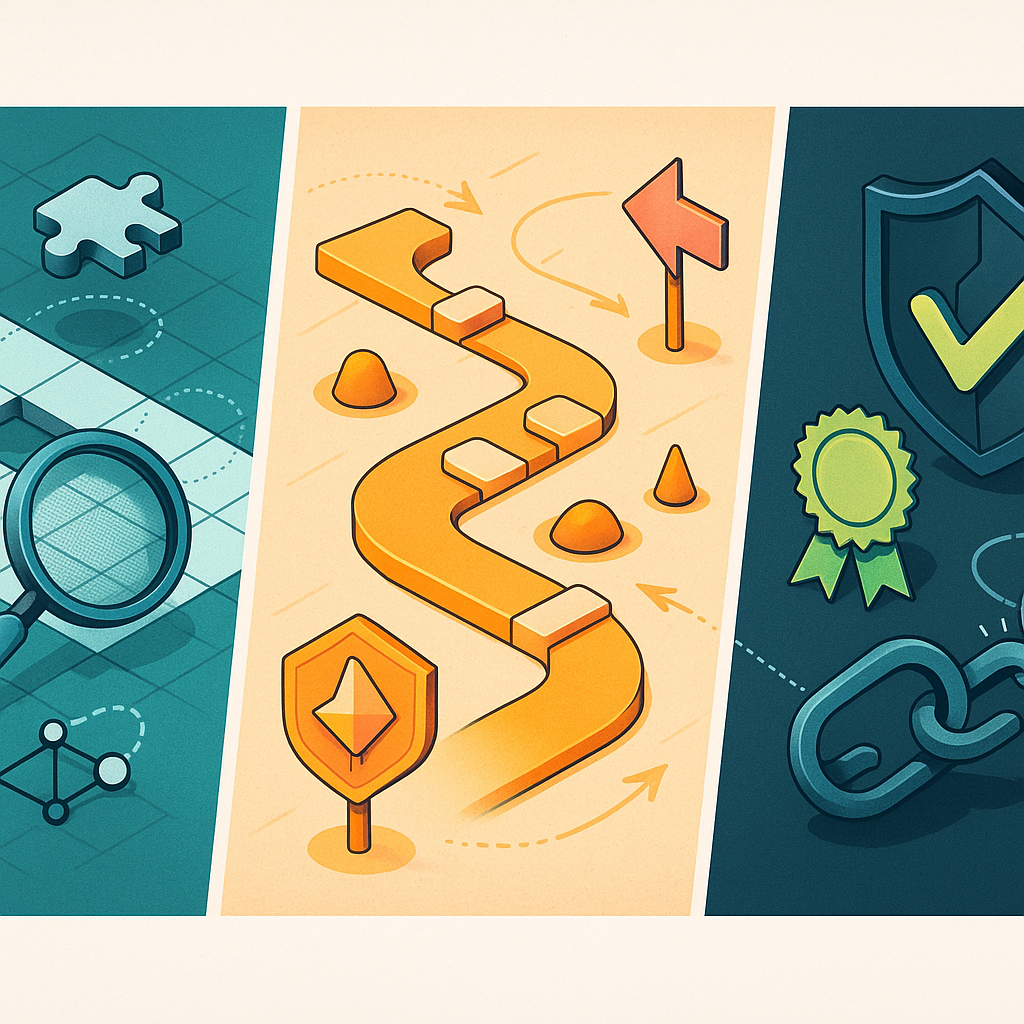
Key Components of Effective On-Page Guidance
When utilizing an on-page guidance tool, focus on these critical areas:
- Coverage Gaps: Identify what your page lacks compared to top-ranking competitors. Look for:
- Sub-intents: Understand the nuances of what users are searching for beyond the primary keyword.
- Unanswered Questions: Ensure your content addresses common queries related to the topic.
- Implied Sections: Recognize areas that need explicit coverage, even if they aren't directly stated in the query.
- Experience Gaps: Your content should provide first-hand insights that resonate with users. Check for:
- Lack of Examples: Use real-life applications to illustrate your points.
- Missing Demonstrations: Visual aids can enhance understanding.
- Competitor Signals: Analyze what your rivals include that you might be missing.
- Credibility & Trust Gaps: E-E-A-T is crucial for gaining user trust. Focus on:
- Weak or Missing Trust Signals: Incorporate author bios, citations, and updated content.
- Structural Trust Issues: Ensure your page adheres to Google’s quality guidelines, especially for sensitive topics.
Utilizing Intent and E-E-A-T in Your SEO Strategy
Effective on-page guidance operates on the principles of user intent and E-E-A-T. Unlike generic tools, SEOCaddy tailors its recommendations based on:
- Query Fan-Out Analysis: Understanding what Google expects for specific searches helps in crafting relevant content.
- E-E-A-T Audit: Evaluating your content against E-E-A-T criteria ensures you are meeting user expectations and improving your rankings.
FAQs About On-Page Guidance Tools
FAQ 1: How Can I Maintain SEO Performance Amid Changing Algorithms?
SEO is an ongoing process that requires regular updates. Utilize tools like SEOCaddy for continuous audits and adaptations to your content strategy.
FAQ 2: What Are the Most Important Factors for On-Page SEO?
Focus on user intent, keyword relevance, content quality, and trust signals. Tools can help evaluate how well you're addressing these factors.
FAQ 3: Can I Rely Solely on Tools for SEO?
While tools provide valuable insights, human judgment is essential. Use them to inform your decisions but trust your expertise and understanding of your audience.
Conclusion
In conclusion, understanding and effectively utilizing advanced on-page guidance tools can significantly enhance your SEO strategy. By debunking common myths and focusing on user intent and E-E-A-T, you can create content that not only ranks well but also adds value to your audience.
Ready to elevate your SEO game? Try SEOCaddy's tools today to unlock your website's full potential!